Trust guide
Is there any safe voice changers? How to assess Kikivoice
Is there any safe voice changers? The useful answer depends less on a reassuring label than on whose voice you use, what you upload, and how you share the result. This Kikivoice guide separates practical precautions from claims you should verify for yourself.
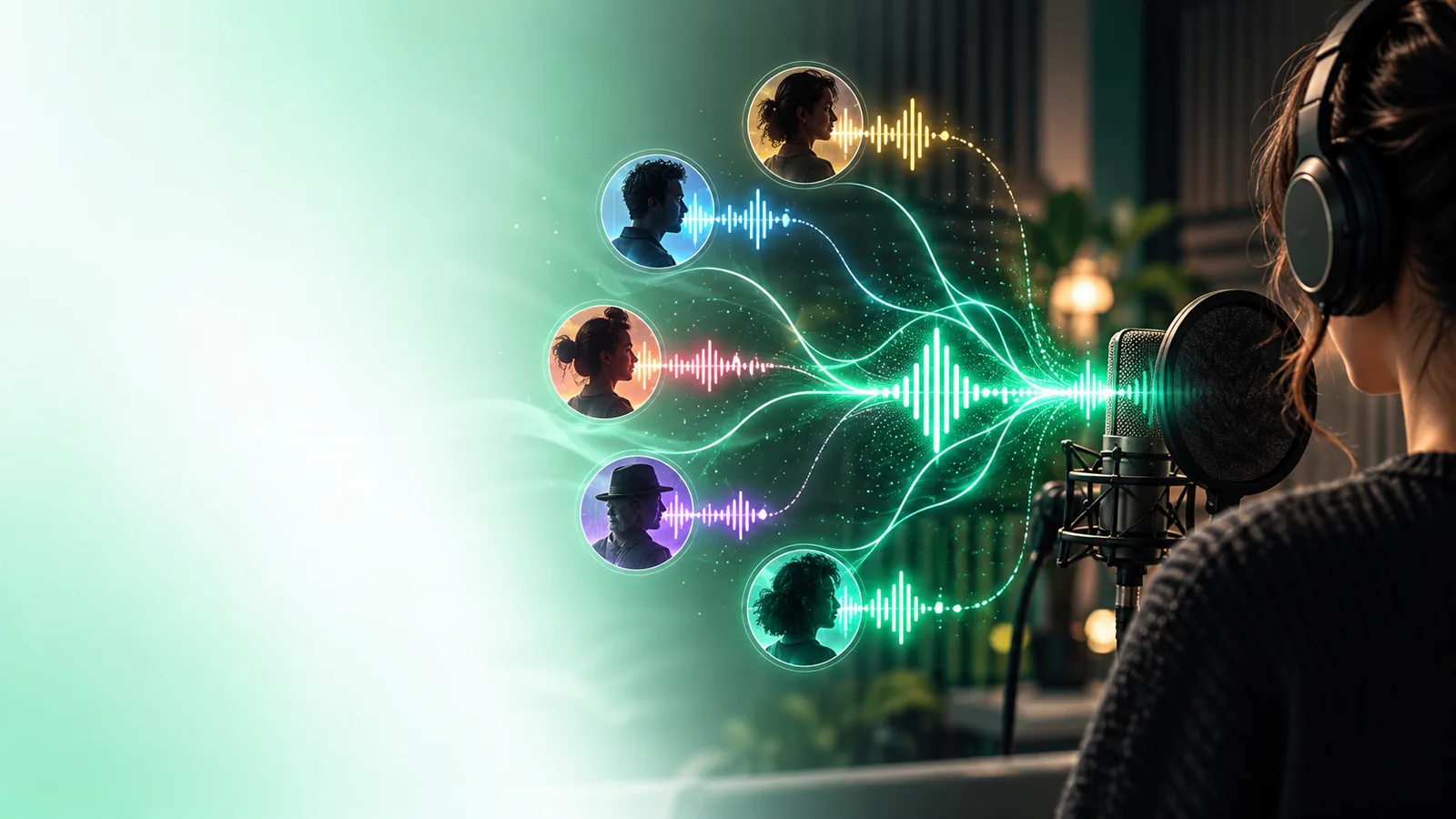
The safety verdict at a glance
- ConsentKikivoice cannot establish another person's permission for you; obtain it before using their voice.
- PrivacyA voice sample can identify a person, so check the receiving service's retention and deletion terms before uploading.
- LimitsThe FCC ruled AI-generated voices in robocalls illegal under the Telephone Consumer Protection Act in February 2024.
3 misconceptions about voice changer safety
A tool can be useful without making every recording or use of its output appropriate.
“A public voice is mine to copy”
A podcast or social clip being public does not grant permission to recreate its speaker's identity. Kikivoice cannot supply that permission on the speaker's behalf.
What to do instead
Use your own recording or get explicit permission that covers the intended use.
“A changed voice cannot identify me”
Speech patterns, background audio and context may still reveal a speaker. A voice changer is not a reliable anonymity guarantee.
What to do instead
Remove identifying context and do not rely on altered audio to protect a sensitive identity.
“A convincing result is safe to publish”
Realistic audio can mislead listeners about who spoke. A realistic result from any voice tool is not evidence of consent or accuracy.
What to do instead
Label synthetic speech clearly and review the message before sharing it.
What it actually is
For this decision, treat Kikivoice as a route to explore voice tools, not as a certification that a recording is lawful, private or suitable to publish.
-
Use a voice you own or have specific permission to use. — Permission should cover the audience and purpose, not merely possession of a recording.
-
Read the receiving service's current privacy and deletion terms before uploading. — Check what happens to source audio and generated output.
-
Avoid uploading confidential speech or someone else's personal information. — Editing a voice does not remove sensitive words from the recording.
-
Plan a clear disclosure when listeners could mistake generated audio for a real speaker.optional — Disclosure is especially useful for demonstrations and published clips.
Related checks for voice tools
These pages address what the tools do, how access claims should be checked, and how a different voice product compares.
- kiki voice ai Start with the basic distinction between a voice tool and permission to imitate a speaker.
- voice cloning free Review access claims separately from the privacy implications of submitting a recording.
- What's better than voicemod? Compare tools by intended use rather than assuming one safety label fits every workflow.
Boundary conditions
- GET CONSENT
- CHECK TERMS
- DISCLOSE SYNTHETIC AUDIO
Consent is the boundary a tool cannot cross for you.
Kikivoice can point you toward voice creation, but it cannot know whether a speaker agreed to a particular imitation. Consent should identify the person, the proposed use and where the finished audio may appear. If any of those are unclear, pause before recording or uploading.
Safe use also depends on the destination. Before sending a sample to a voice service, check its current terms for storage, reuse and deletion. Do not treat silence about those practices as a promise that a recording disappears.
When NOT to use a voice changer
These dated milestones help explain why an apparently harmless voice imitation deserves a second look before publication.
-
GDPR adopted
The EU adopted rules governing personal data. Do not assume that making a voice sound different removes every privacy obligation.
-
GDPR took effect
Personal-data requirements became enforceable in the EU. Avoid uploading another person's identifiable recording when you lack a clear basis to process it.
-
Voice-cloning scams drew warnings
The FTC warned about scammers using cloned voices. Never use a familiar-sounding voice to request money, access or urgent action.
-
FCC addressed AI robocalls
The FCC ruled AI-generated voices in robocalls illegal under existing telephone-consumer protections. Do not use synthetic speech to impersonate someone in a call.
Make the next voice decision deliberately
If you have permission to use the voice and understand the receiving service's terms, explore the voice tools linked through Kikivoice. Keep a copy of the permission and disclose synthetic audio when its origin could be misunderstood.
Check the recording before trying a voice tool
- Use an authorized recording
- Check current handling terms
- Label potentially misleading output
FAQ: safe voice changers
A voice changer can be used more safely when you use an authorized recording, check how the service handles uploads and avoid deceptive output. No tool can make impersonation safe simply by changing the sound. For Kikivoice, assess the particular voice service and your intended use before submitting audio.
Not reliably. Listeners may recognize your phrasing, surroundings or details in what you say even if the voice sounds different. Do not use altered speech as your only protection when anonymity matters.
Public access to a video is not the same as permission to imitate its speaker. Ask the person for consent that covers your proposed use, or use your own voice instead. Avoid presenting synthetic audio as something the original speaker actually said.
Confirm you may use the recording and remove confidential content you do not need. Read the receiving service's current terms for retention, reuse and deletion before you upload. If those terms do not meet your needs, do not submit the sample.