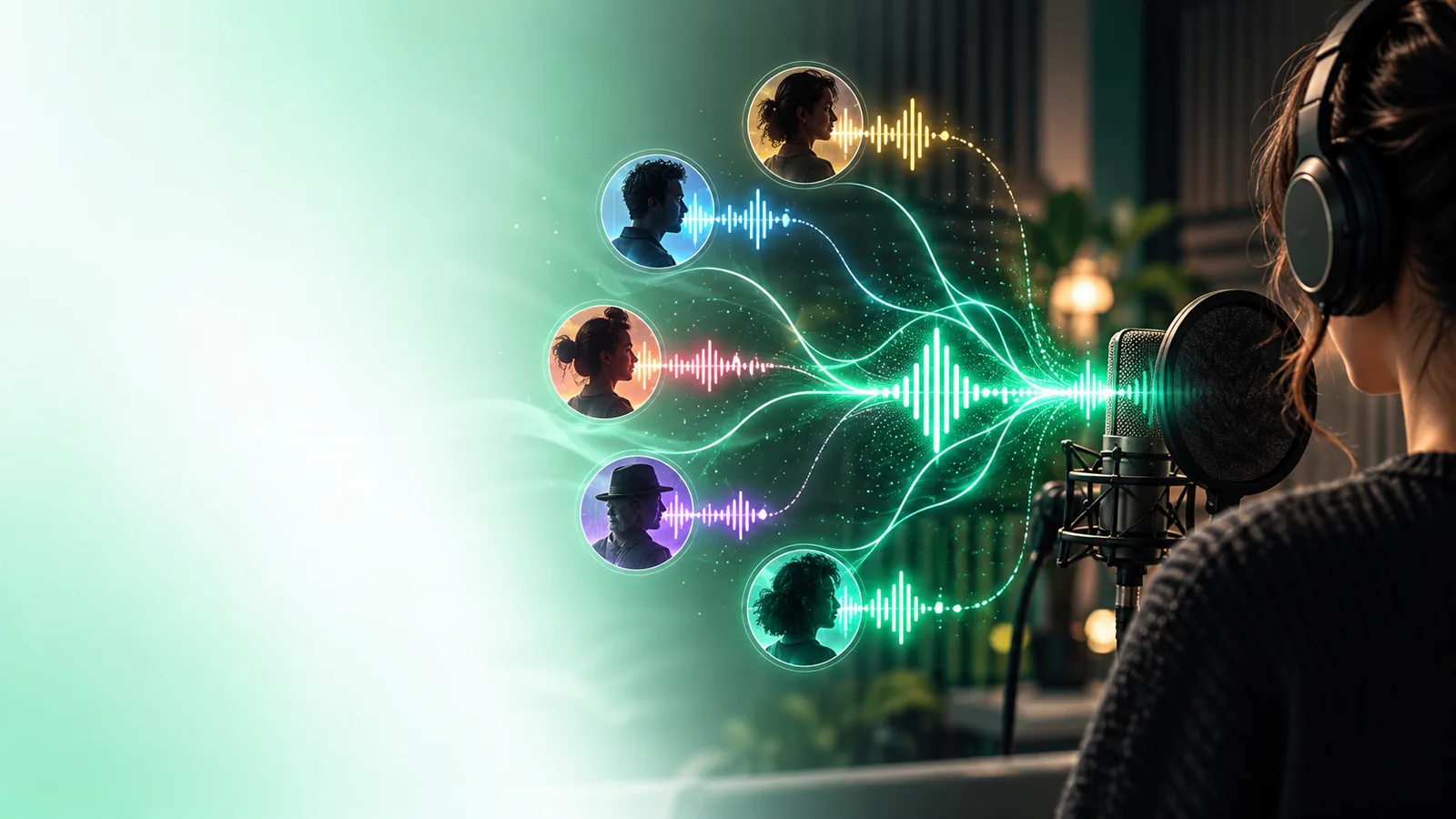
Vocal demo planning

How to Approach AI Voice Cloning Singing Free

Searching for ai voice cloning singing free can blur three different jobs: writing a vocal part, generating a sung performance, and recreating a particular person's voice. Kikivoice helps you frame the request before you try a voice tool. Start with a short lyric, a musical direction, and a voice you own or have permission to use; then check what the destination tool actually supports.

Check available features and terms
Kikivoice voice-creation visual

Choose a path

3 concrete workflows

A songwriter, narrator, and collaborator need different inputs. These workflows keep the creative goal separate from the question of whose voice may be used.

Songwriter testing a chorus

Write two original lyric lines and describe the tempo, mood, and intended vocal delivery. Use your own recorded voice, or choose a voice whose use is permitted. Keep the first demo short so you can revise phrasing before building a full arrangement.

If the immediate task is turning written words into a spoken guide rather than a sung take, free ai voice cloning text to speech explains that distinct workflow.

free ai voice cloning text to speech

Independent vocalist checking harmony

Record or draft a lead melody, then plan one harmony line with a clear entry point and range. Compare the proposed harmony against the original take; do not treat a generated layer as proof that a singer approved its release.

For a closer look at the general cloning task before applying it to singing, voice cloning free covers what to check when exploring access and inputs.

voice cloning free

Producer preparing a collaborator preview

Share a guide vocal that communicates melody and timing without imitating an unapproved artist. Label it as a draft, keep the source files, and ask the collaborator to approve any later use of their recorded voice.

Before sharing a voice-based preview, Is there any safe voice changers? addresses consent, uploads, and the limits of tool-level safety claims.

Is there any safe voice changers?

Listening context

example output

These dated examples show why a singing demo, synthesized speech, and generated music should not be described as the same output. They are historical reference points, not Kikivoice samples.

  1. Daisy Bell on a computer

    Bell Labs demonstrated a computer singing Daisy Bell. The recognizable result paired synthesized vocal sounds with a melody, offering an early example of machine-produced singing rather than a clone of a contemporary performer.

  2. WaveNet speech samples

    DeepMind introduced WaveNet with natural-sounding speech demonstrations. A clear spoken sentence is useful for testing pronunciation, but it does not establish that a voice system can sustain notes, follow a melody, or deliver musical phrasing.

  3. Jukebox music demonstrations

    OpenAI presented Jukebox, which generated music with elements including vocals. A musical result can convey style and texture while still requiring careful listening for intelligible lyrics, consistent pitch, and artifacts.

  4. MusicGen text-to-music examples

    Meta introduced MusicGen for generating music from descriptions. Its examples illustrate another important distinction: a prompt for musical accompaniment is not, by itself, a request to clone a particular singer's voice.

Before you share

compliance notes

A convincing vocal draft is not permission to imitate or publish another person's voice. Before sending audio to any service, check the source recording's rights, the singer's consent, and the service's current terms for uploads and generated results. Kikivoice does not establish whether the destination offers a free tier, singing synthesis, or a particular cloning control; verify those details there before committing a project.

Make the voice rights as clear as the melody

  • Use original lyrics or lyrics you have the right to use.
  • Obtain permission before uploading or recreating someone else's voice.
  • Mark experimental vocals as drafts when sharing them with collaborators.
Explore voice tools

Practical answers

scenario FAQ

Availability and limits depend on the tool you reach, and they can change. Kikivoice does not verify a free singing-cloning option at the destination, so inspect its current features and terms before uploading a recording.

It depends on the result you want. A generic vocal sketch may use a voice offered by a tool, while cloning a specific voice generally requires suitable source audio and the right to use it. A lyric prompt alone is not a recording of your voice.

Cloning a speaking voice and generating a controlled singing performance are different capabilities. Check whether the chosen tool supports melody or pitch guidance, then listen for timing, pronunciation, sustained notes, and artifacts before relying on the result.

A private draft does not automatically give you permission to use someone's voice or recordings. Avoid uploading unauthorized source material or presenting an imitation as that singer's performance; use your own voice or one you are licensed to use instead.

Give the tool a short original lyric, a mood, an approximate tempo, and a description of how you want the words delivered. State that the voice is yours or authorized, and start with a brief passage you can evaluate before attempting a longer song.

Start creating
Start creating