Narrator
A creator wants the same permitted voice across several revised introductions.
Keep a clean reference recording and a separate script for each version. For access questions, see voice cloning free.
Voice workflow
Free ai voice cloning text to speech combines two different tasks: creating a voice from a recording and using that voice to read a script. Kikivoice explains the workflow so you can prepare both before opening the voice tool.
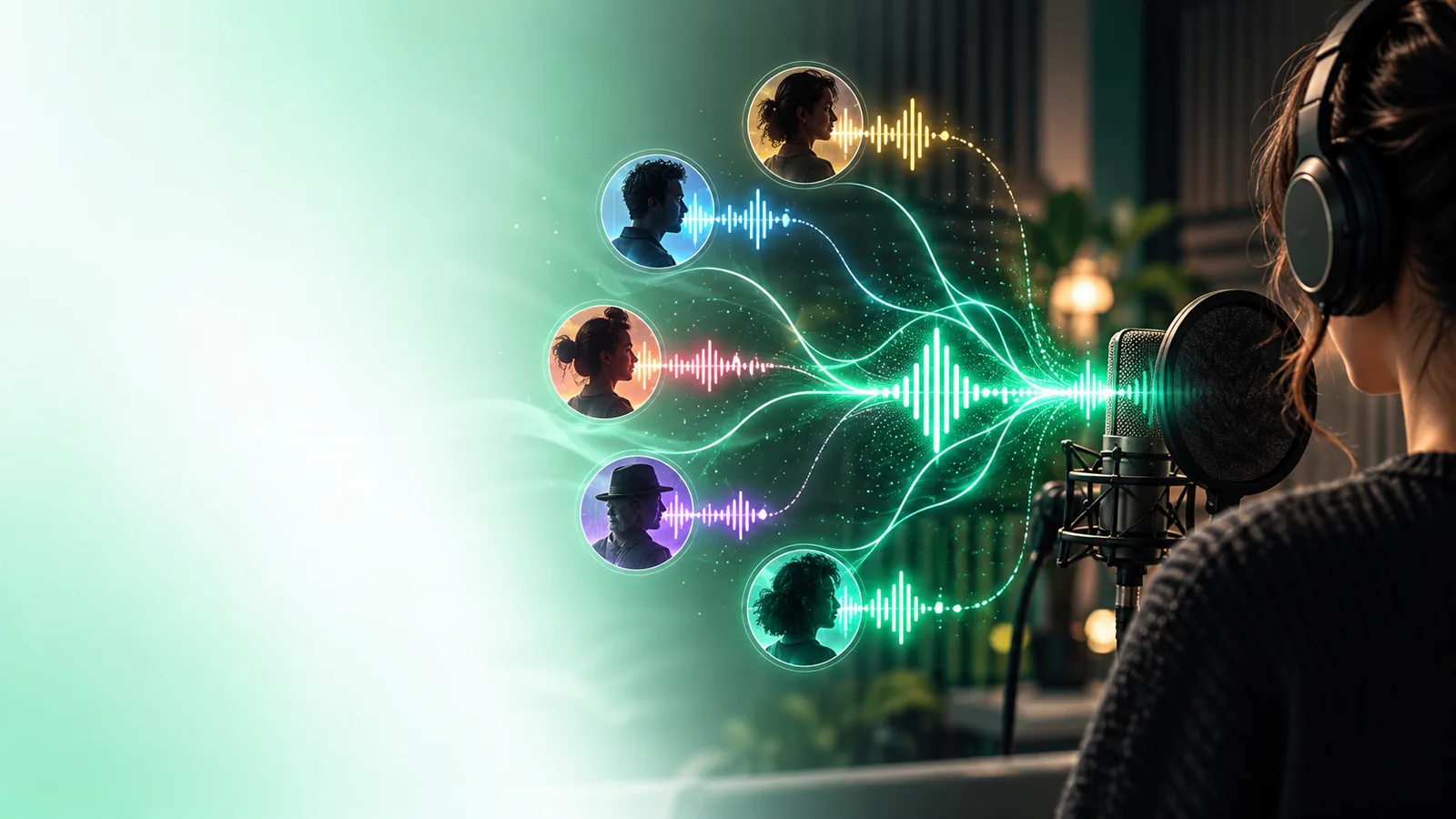
Start with a short script and decide whether you need a new voice or can use an existing one. Cloning also requires a recording you have permission to use.
A creator wants the same permitted voice across several revised introductions.
Keep a clean reference recording and a separate script for each version. For access questions, see voice cloning free.
A teammate needs to prepare narration materials before opening a browser-based voice tool.
Gather the approved recording and final copy first. The ai voice cloning online free guide covers what to check when using an online tool.
An editor has a sentence to replace and needs to know whether a cloned voice is appropriate.
Confirm permission and match the surrounding wording before generating a replacement. Review Is there any safe voice changers? for related consent and safety considerations.
A songwriter has lyrics but has not decided whether the result should be spoken or sung.
Choose the intended performance before preparing a script. The ai voice cloning singing free guide addresses the separate challenges of sung vocals.
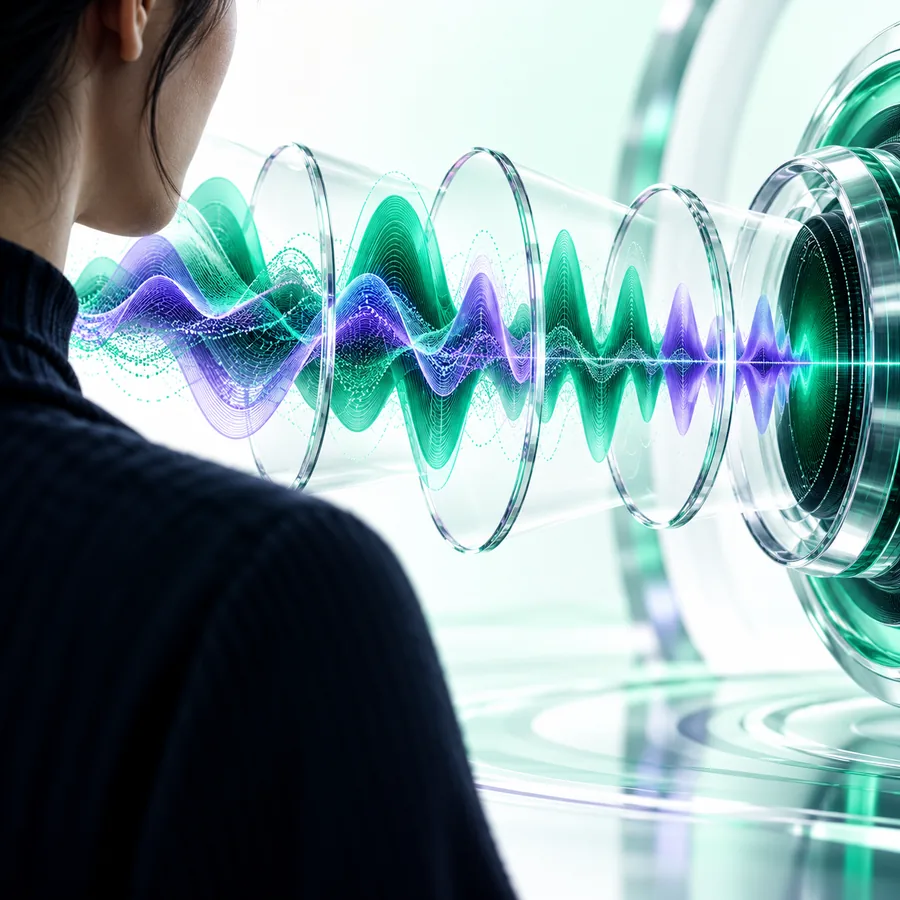
The visual pair illustrates the move from written input toward a voice result; it is not a verified before-and-after audio test.
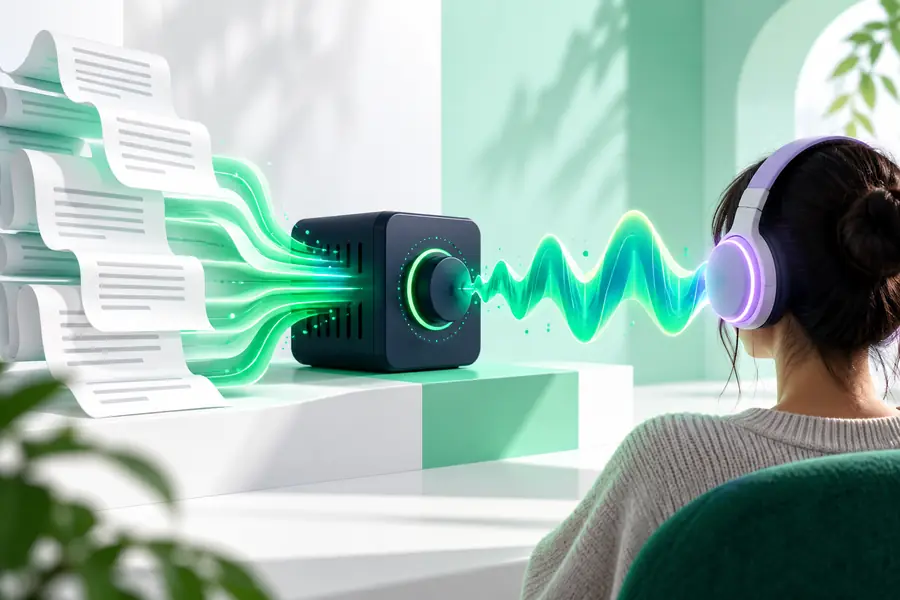
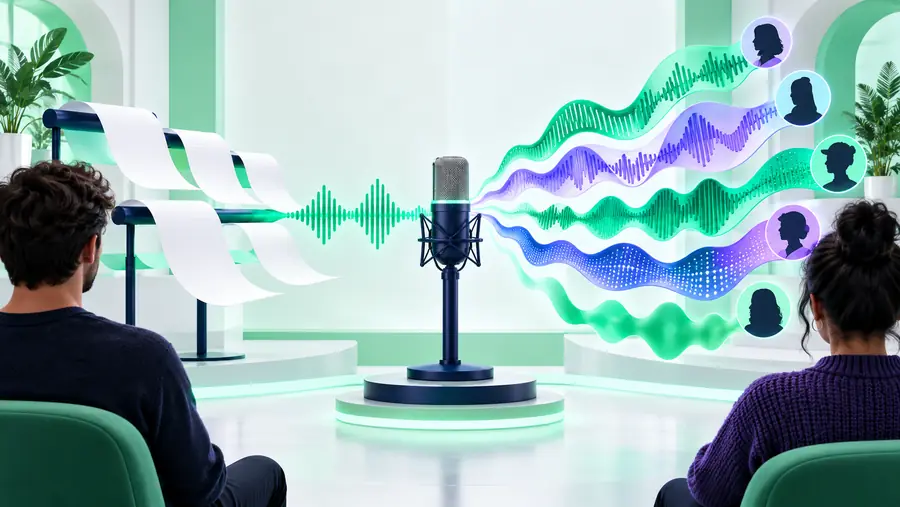
An image cannot demonstrate voice similarity, pronunciation, or audio quality. Judge those from a playback sample when the destination tool provides one.
Script and voice referenceSpoken-result conceptUse this short welcome message as a practical test rather than starting with a long narration.
If you need cloning, choose a recording of your own voice or one you are authorized to use. Reduce background noise and avoid overlapping speakers. If an existing voice will do, skip the cloning step.
Try: Thanks for joining us. Here is what to expect today. A brief passage makes it easier to hear whether the voice handles names, pauses, and sentence endings as intended.
Open the voice tool, check the available controls and access terms, then generate a test if the tool supports your intended workflow. Listen for pronunciation and pacing before preparing longer copy.
These tabs separate the choices that are often grouped together under text to speech. Availability depends on the destination tool.
Existing voice
This is the simpler route when the identity of the speaker is not essential. You provide text and select an available voice, if the tool offers one. No personal reference recording is needed.
Cloned voice
A cloning workflow uses an authorized voice reference to guide speech generated from a new script. Check whether the tool accepts recordings, how it handles consent, and whether the resulting voice sounds suitable before using it publicly.
Revised script
Text to speech is useful when a sentence changes after a recording session. Keep the revised line short and listen alongside the surrounding audio; matching emotion and pacing can require more than changing the words.
Kikivoice cannot make a poor reference recording, an unclear script, or missing permission disappear.
A publicly available recording is not automatically licensed for cloning. Do not imitate someone who has not authorized that use.
What to do instead
Use your own voice, obtain explicit permission, or select a non-cloned voice.
Music, room noise, and other speakers make it harder to identify the voice you intend to reproduce.
What to do instead
Record a cleaner single-speaker sample before attempting a clone.
This page cannot confirm that the destination provides free generations, a particular download format, or unrestricted use.
What to do instead
Check current terms, supported inputs, output options, and any limits in the destination tool.
Names, abbreviations, and long sentences may sound unnatural even when ordinary words sound clear.
What to do instead
Test one sentence, adjust its spelling or punctuation, and listen again.
The strongest workflow checks the voice reference and the spoken script separately.
 Voice reference
Step 1
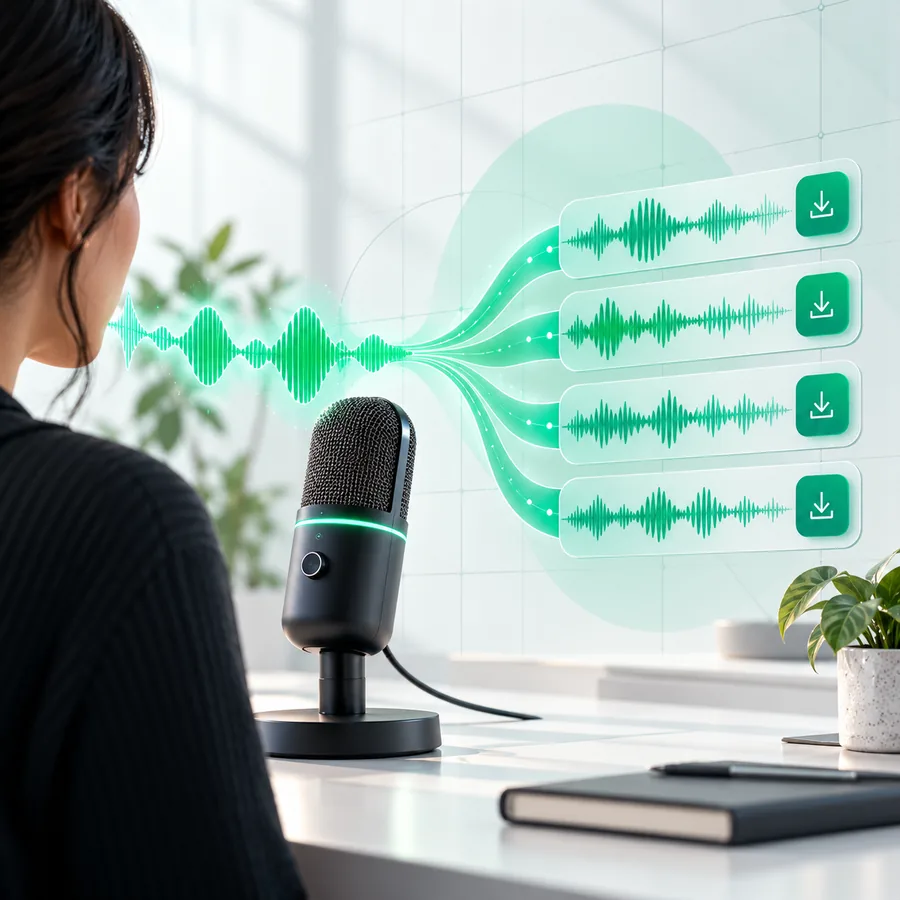
For a cloned result, the recording is the reference, not the finished narration. Decide who owns that voice and whether its use is authorized before writing around it. Kikivoice treats this as a separate decision from what the voice will say.
 Script review
Step 2
The script determines the spoken content. Start with the short welcome message above, listen to the result, and revise any phrase that sounds rushed or unclear. A text to speech test tells you more about delivery than a still image or a feature label can.
Kikivoice can help you distinguish cloning from ordinary text to speech before you proceed. Bring an authorized recording if you need a particular voice, and verify the destination tool's current features and terms there.
No. Ordinary text to speech turns a script into spoken audio using an available voice. Voice cloning adds a reference recording intended to guide the identity of the speaker; check the tool's current access terms before assuming either workflow is free.
Not necessarily. An existing voice can read text without a personal reference recording if the tool offers that option. A cloning workflow, by contrast, needs an authorized voice reference.
Only use a voice when you have the speaker's permission and the rights needed for your intended use. Finding a recording online does not establish consent. When permission is unclear, use your own voice or a non-cloned option.
A script does not always tell a speech system how an unfamiliar name should sound. Test a short line, try a phonetic spelling or clearer punctuation, and listen again. Voice cloning alone does not solve pronunciation.
No. This page does not establish the destination tool's current limits, download formats, or eligibility for free use. Check those details in the tool before planning a larger recording project.